Harnessing Wind Power

Naveen Kumar
| 24-12-2025
 · Science Team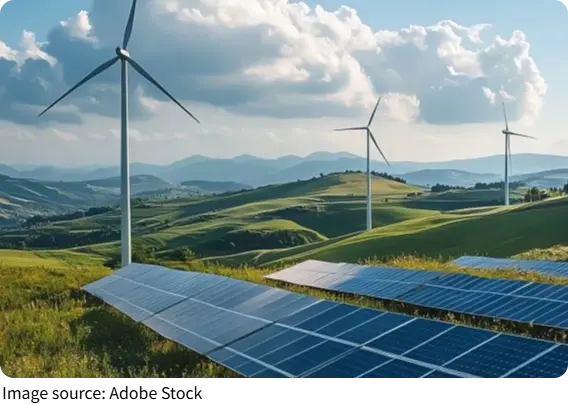
Picture standing on a hill, the wind rushing past you as massive blades spin in the sky, turning wind into electricity.
Wind turbines are becoming an iconic symbol of clean energy, helping to power homes, businesses, and even entire cities. But how do these towering structures work, and why are they so important in the quest for a sustainable future?
Let's take a closer look at wind turbines and how they're transforming the way we think about energy production.
What Is a Wind Turbine?
At a basic level, a wind turbine is a machine that converts the kinetic energy of wind into mechanical energy, which is then turned into electricity. The structure consists of several key components that work together to capture wind energy and generate power.
Blades: These large, aerodynamic blades are designed to catch the wind, causing them to spin. The force of the wind pushes the blades, and this rotational motion is key to generating energy.
Nacelle: The nacelle sits atop the turbine tower and houses the machinery that converts rotational energy into electricity. It contains the gearbox, generator, and other components that enable the turbine to function.
Tower: The tower holds the turbine up high, where it can catch stronger and more consistent winds. Towers vary in height, typically ranging from 100 to 400 feet, depending on the turbine.
Generator: This is where the mechanical energy is converted into electrical energy. The generator uses the rotational motion from the blades and turns it into usable electricity.
How Do Wind Turbines Work?
The operation of a wind turbine is based on a relatively simple principle: the wind spins the blades, and that movement creates electricity. However, the process involves a few intricate steps that allow the turbine to produce power efficiently.
Wind Capture: The blades of the turbine are designed to capture the maximum amount of wind possible. The wind hits the blades at an angle, which causes them to rotate.
Rotation and Gearbox: As the blades spin, they rotate a shaft connected to the gearbox. The gearbox's job is to increase the rotation speed so that the generator can produce electricity more effectively.
Electricity Generation: The generator converts the rotational energy into electrical energy. The generated electricity is then sent through cables to the electrical grid, where it can be distributed to homes and businesses.
Adjusting to Wind Speed: Modern turbines are equipped with sensors that allow them to adjust the angle of the blades based on wind speed. If the wind is too strong, the blades will turn to reduce resistance and prevent damage.
Benefits of Wind Turbines
Wind turbines offer numerous advantages, making them an appealing option for clean energy production. Let's explore some of the key benefits:
Renewable Energy Source: Wind is a natural, renewable resource. As long as the wind blows, turbines can generate electricity, making it a sustainable alternative to fossil fuels.
Zero Emissions: Wind energy is one of the cleanest forms of energy. Unlike coal or natural gas plants, wind turbines don't produce harmful emissions that contribute to air pollution or climate change.
Low Operating Costs: Once a wind turbine is built, its operating costs are relatively low. Maintenance is required, but there are no fuel costs associated with generating electricity, which helps keep prices down over the long term.
Job Creation: The wind energy industry has created thousands of jobs, from manufacturing turbine components to installation and maintenance.
Challenges and Limitations
Despite their many benefits, wind turbines do face some challenges and limitations. Understanding these issues is crucial for developing more efficient and widespread wind energy systems.
Intermittent Energy Source: Wind doesn't flow all the time, which means wind turbines can't generate electricity continuously. This intermittent nature makes it challenging to rely solely on wind power without energy storage or backup solutions.
Noise and Aesthetics: Some people living near wind farms report that the noise from the turbines is disruptive. Additionally, large wind turbines can alter the natural landscape, which can be a concern for communities and environmental groups.
Bird and Bat Mortality: Studies have shown that birds and bats can collide with turbine blades, leading to fatalities. While this is an unfortunate downside, measures are being taken to mitigate these risks, such as designing turbines that are less likely to cause harm to wildlife.
High Initial Costs: Although the operating costs of wind turbines are low, the initial cost of building a wind farm is high. The investment required for purchasing land, constructing turbines, and setting up infrastructure can be a barrier for some regions or companies.
The Future of Wind Turbines
The future of wind turbines looks promising, with ongoing advancements in technology and growing investment in wind energy projects. As wind energy becomes more integrated into the global energy mix, we can expect to see several important developments.
Offshore Wind Farms: Offshore wind turbines, located in bodies of water, offer higher and more consistent wind speeds compared to onshore turbines. These farms are being developed in coastal regions, where they can generate a significant amount of power without taking up valuable land.
Larger Turbines: Turbines are getting bigger and more efficient. As technology advances, we can expect to see larger turbines that generate more electricity per unit, making wind energy even more cost-effective.
Energy Storage: One of the biggest challenges with wind energy is its intermittency. However, as battery storage technology improves, it may become easier to store excess energy produced by wind turbines and release it when the wind isn't blowing.
Integration with Other Renewable Sources: Wind energy will likely be combined with other renewable energy sources like solar power to create hybrid systems. This way, when the wind isn't blowing, the sun can shine, and vice versa, creating a more reliable and consistent energy supply.
Final Thoughts
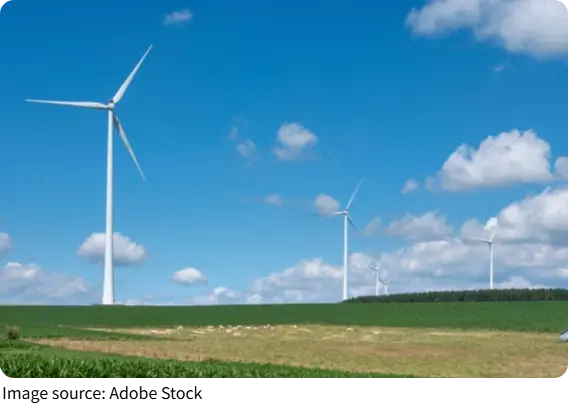
Wind turbines are helping to revolutionize the way we think about energy. With their ability to generate clean, renewable electricity, they play a key role in reducing our dependence on fossil fuels and combatting climate change. While there are challenges, the future of wind power looks bright, with continued advancements in technology and growing support for renewable energy. As wind turbines continue to grow in efficiency and scale, they may become one of the most important tools in our push toward a more sustainable future.