Hydrogen Power

Caleb Ryan
| 24-12-2025
 · Science Team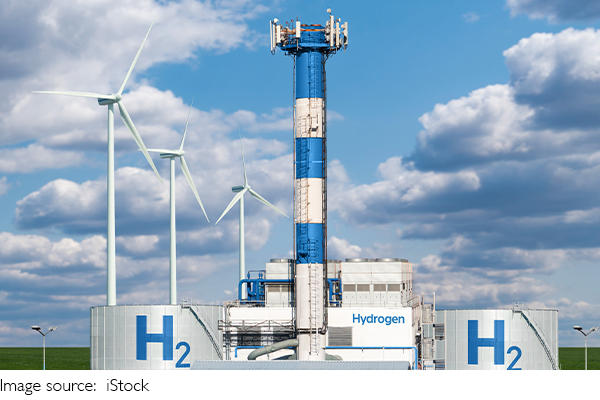
Imagine a world where energy is clean, abundant, and sustainable.
One key player in making this dream a reality is hydrogen. It's been hailed as a fuel of the future, with enormous potential to help decarbonize industries, reduce our reliance on fossil fuels, and power everything from cars to factories.
But here's the catch: producing hydrogen sustainably is no easy task. Traditional methods often rely on fossil fuels, which defeat the purpose. That's where a futuristic hydrogen production plant powered by renewable energy comes into play.
Let's explore how this revolutionary technology works and what it means for our energy future.
What Is Renewable Hydrogen?
Hydrogen itself isn't a new energy source—it's the most abundant element in the universe. However, the challenge lies in how we produce it. Most of today's hydrogen comes from natural gas, a process that releases carbon dioxide and other greenhouse gases. Renewable hydrogen, on the other hand, uses clean energy sources to separate hydrogen from water, making it a completely green option.
Electrolysis: The most common method for producing renewable hydrogen is through electrolysis, where electricity splits water (H2O) into hydrogen (H2) and oxygen (O2). When the electricity comes from renewable sources like wind or solar, the hydrogen produced is considered green.
Zero Emissions: The beauty of this process is that it doesn't produce any harmful emissions. The only by-product is oxygen, which, as we know, is beneficial for the environment.
Clean Energy Integration: A key component of these futuristic hydrogen plants is their integration with renewable energy sources. By using excess energy from solar or wind farms, hydrogen can be produced during times when energy supply exceeds demand. This helps balance the grid while providing a clean fuel source.
How Renewable Hydrogen Plants Work
A futuristic hydrogen production plant powered by renewable energy combines advanced technologies and sustainable practices. The goal is to produce hydrogen at a scale that can be used in everything from transportation to heavy industry without adding to global warming. Here's how it all comes together:
Solar or Wind Farms: The plant starts by sourcing energy from renewable sources like solar panels or wind turbines. These sources provide the clean electricity needed for electrolysis.
Electrolyzers: The electricity is sent to electrolyzers, machines that use the energy to split water molecules into hydrogen and oxygen. These electrolyzers must be efficient and capable of handling large amounts of energy to make hydrogen production scalable.
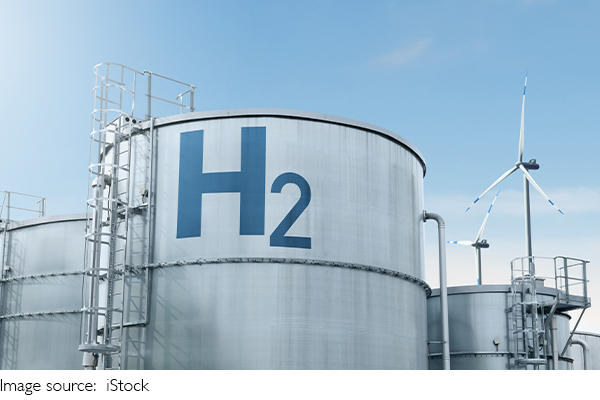
Storage and Distribution: Once the hydrogen is produced, it's stored in tanks or underground caverns until it's needed. It can then be transported to various locations, including fueling stations, or used directly for industrial applications.
Carbon-Free Operation: The key to these plants is their zero-emissions operation. By relying on renewable energy, they don't release CO2 during the production process, making them a critical component of a carbon-free future.
Applications of Renewable Hydrogen
The potential uses of renewable hydrogen are vast and span multiple sectors. From transportation to industrial manufacturing, hydrogen could replace fossil fuels in many areas, reducing carbon footprints significantly.
Clean Transportation: Hydrogen-powered fuel cells are being developed for cars, trucks, buses, and even trains. These fuel cells convert hydrogen into electricity, which powers the vehicle, emitting only water vapor as a by-product.
Heavy Industry: Industries like steel production, cement manufacturing, and chemical processing are some of the most difficult to decarbonize. Hydrogen can be used as a replacement for coal or natural gas in these sectors, significantly reducing emissions. For example, in the steel industry, hydrogen is being explored as a cleaner alternative to coke, which is traditionally used in blast furnaces.
Energy Storage: One of the challenges with renewable energy like solar and wind is their intermittent nature. Hydrogen can act as an energy storage solution, allowing excess renewable electricity to be stored as hydrogen and then converted back into electricity when needed, helping to stabilize the grid.
Challenges Facing Hydrogen Production
While the potential of renewable hydrogen is enormous, there are still several hurdles to overcome before it can be scaled to meet global energy needs.
Cost of Production: Currently, producing hydrogen through electrolysis is more expensive than traditional methods. The cost of electrolyzers and the price of renewable electricity still make green hydrogen less competitive, although prices are expected to fall as technology improves.
Infrastructure Development: For hydrogen to become a mainstream energy source, significant infrastructure is needed. This includes building hydrogen refueling stations, pipelines for distribution, and storage facilities. Developing this infrastructure requires substantial investment and time.
Energy Efficiency: The process of electrolysis is energy-intensive, and while it's carbon-free, it's not yet the most efficient way to produce hydrogen. Continued research into improving electrolyzer efficiency will be crucial for making renewable hydrogen more viable on a global scale.
The Future of Hydrogen Production
Despite these challenges, the future of hydrogen production looks bright. With continued advancements in renewable energy, electrolyzer technology, and infrastructure, renewable hydrogen is poised to play a major role in the transition to a cleaner, more sustainable energy system.
Technological Innovations: New technologies are being developed to make electrolyzers more efficient, reducing the cost of hydrogen production. For example, researchers are working on solid oxide electrolyzers, which could operate at higher temperatures and lower costs.
Government Support: Many governments are starting to recognize the importance of hydrogen in achieving climate goals. Financial incentives, grants, and policy support for renewable hydrogen plants are expected to increase in the coming years, helping to drive down costs and accelerate adoption.
Global Collaboration: To meet global energy demands, collaboration between countries and private companies will be essential. Many regions are already planning large-scale hydrogen projects, which will foster innovation and create economies of scale, making hydrogen more affordable and accessible.
Final Thoughts
The idea of a hydrogen-powered future is no longer just a distant dream—it's happening now. With the development of renewable energy-powered hydrogen production plants, we're on the cusp of a major shift in how we produce and consume energy. While there are still challenges to overcome, the potential benefits are clear: cleaner air, reduced dependence on fossil fuels, and a more sustainable future. The transition to a hydrogen economy won't happen overnight, but each step forward brings us closer to a world powered by clean, renewable hydrogen.