Faces in Focus

Caroll Alvarado
| 30-03-2026
 · Art Team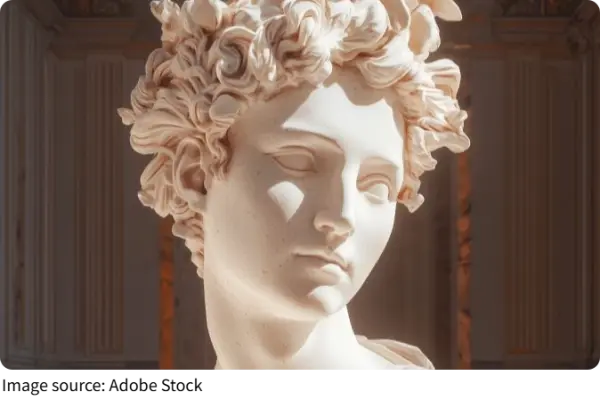
Have you ever glanced at a portrait and felt like the person in the painting was staring right into your soul? Portraits are more than just images—they're windows into personality, emotion, and story.
They capture a fleeting moment and make it permanent, allowing us to connect with someone we may never meet. But what makes a portrait truly compelling? Let's dive into the art of portraiture and explore how artists bring faces to life.
1. The Power of Expression
A portrait isn't just about likeness; it's about expression. The eyes, mouth, and subtle facial lines can reveal so much—curiosity, humor, sadness, or confidence. Great portrait artists know how to focus on these small details. Take, for example, the way an eyebrow slightly arches or how a smile doesn't quite reach the eyes. These tiny hints give the viewer insight into the subject's personality.
Capturing expression often requires patience. Artists spend hours observing their subjects, sometimes sketching multiple versions before finding the perfect combination of subtle details. Even in photography, a split-second glance can make the difference between a flat image and one that feels alive.
2. Lighting That Tells a Story
Lighting can transform a simple face into a story waiting to be told. Soft, diffused light often creates calm and serenity, while strong side lighting can highlight texture, age, or tension. Rembrandt lighting, a classic technique, produces a small triangle of light under one eye and adds depth and drama.
The key is understanding how shadows interact with features. A shadow across a cheekbone can make the face appear more sculpted, while backlighting can create a halo effect that feels ethereal. Experimenting with natural and artificial light helps artists create moods that words alone cannot describe.
3. Composition and Perspective
How you frame a face changes everything. Portraits don't always have to be straight-on. Slight angles, tilted heads, or partial views can suggest personality traits or moods. A close-up of eyes can feel intimate, while a wider frame including hands or surroundings adds context about the person's life or environment.
Rule of thirds is a handy guideline. Placing the eyes along the upper third line often draws viewers in. But breaking rules creatively can also make a portrait striking. A tilted or asymmetrical composition might convey movement, spontaneity, or even rebellion, giving the subject an edge.
4. Capturing Authenticity
Nothing resonates more than authenticity. A posed smile might look perfect, but candid moments often tell the real story. Artists and photographers alike strive to capture moments when subjects are relaxed or engaged in something meaningful.
Getting authenticity often requires conversation, laughter, or even shared silence. The more comfortable a subject feels, the more genuine their expression becomes. Some photographers use music, small talk, or prompts to evoke real emotions, transforming stiff poses into portraits that breathe.
5. Color, Texture, and Detail
Colors and textures aren't just decorative—they communicate mood and personality. Warm tones can evoke friendliness or nostalgia, while cooler hues can suggest calm or introspection. Texture in painting—like visible brushstrokes or layered shading—can give a portrait dimension and life.
In photography, skin tones, eye color, and even hair texture can be enhanced or subdued to create a specific emotional effect. Paying attention to small details, like the catchlight in the eyes or the pattern of clothing, can elevate a simple image into a masterpiece.
6. The Story Behind the Face
Every portrait tells a story. Some are obvious—like a child laughing or an elderly person with lines of experience etched in their face. Others are subtle, leaving viewers to infer meaning. A portrait can hint at ambition, resilience, joy, or mystery without a single word.
Great portrait artists often research their subjects or spend time understanding them. Even if it's a commissioned piece or a casual photo session, connecting with the person allows the final image to convey depth and emotion.
7. Practice and Observation
Mastering portraiture takes time. Observation is key. Spending time studying faces, gestures, and expressions—whether on the street, in cafés, or online—builds an intuitive sense of what makes someone unique. Sketching, experimenting with light, and trying different angles all contribute to improving skill.
Consistency matters too. The more portraits you create, the more confident you become in capturing likeness, mood, and nuance. Even failed attempts teach lessons about lighting, composition, or timing.
Portraiture is a journey into understanding humanity. It challenges artists to notice the smallest details and interpret them in ways that resonate emotionally. Each face carries a story, and every portrait is a chance to explore it. So next time you pick up a camera or a brush, take a moment to look—not just at the face—but at the life behind it. You'll be surprised at what you discover.