Growing Green Together

Amit Sharma
| 21-06-2026
 · Lifestyle Team
Hello Lykkers! As we look around the world today, we can feel how closely our lives are connected with nature. Fresh air, flowing rivers, and green spaces all remind us how important it is to care for our surroundings. But this care does not appear overnight. It grows slowly, starting from simple awareness in childhood.
When we guide young learners to understand nature in a friendly and practical way, we are helping shape habits that can last a lifetime. This journey is not about pressure or rules. It is about discovery, curiosity, and small actions that slowly build a meaningful lifestyle connected with the earth.
Why Early Awareness Matters
We often think big changes come from adults, but the foundation is built much earlier. When children learn to observe nature, they begin to understand how everything is connected. Clean water, healthy plants, and fresh air are not separate ideas. They form one living system that supports daily life.
Through simple learning experiences, children can see how daily choices affect the environment. For example, turning off unused lights, reusing materials, or sorting household items helps them understand responsibility in a practical way. These actions may seem small, but together they build a strong sense of care and attention toward the world around them.
More importantly, early awareness helps children develop respect for natural balance. Instead of seeing nature as something distant, they start to see it as part of their everyday life.
Learning Through Daily Life
One of the most effective ways to build environmental understanding is through daily routines. At home, we can turn simple activities into learning moments. For example, when we organize household items together, children can learn how to reduce unnecessary waste and keep spaces tidy.
Cooking and meal preparation can also become learning experiences. By planning portions carefully and using ingredients wisely, children begin to understand the value of resources. Even small habits, like carrying reusable bags or rethinking packaging, can become natural parts of life.
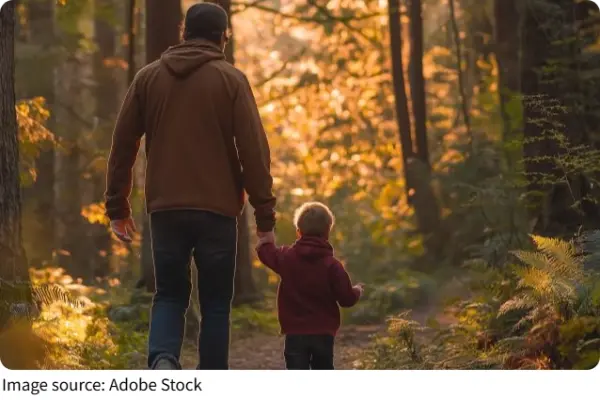
Outside the home, nature walks offer another powerful learning space. Parks, gardens, and riverside paths allow children to observe plants, insects, and changing weather patterns. These real-life observations make learning more vivid than any textbook explanation.
School and Community Experiences
Schools also play an important role in shaping awareness. Instead of focusing only on theory, hands-on activities make learning more meaningful. Planting small greenery projects, creating simple craft items from reused materials, or joining clean-up activities can help children see results directly.
Community events can also support this growth. Seasonal activities, such as tree planting days or local awareness programs, give children a chance to work together and feel part of something bigger. These shared experiences help build teamwork and a deeper understanding of shared responsibility.
When learning is connected with real action, it becomes easier for children to remember and apply it in daily life.
Building Creative Thinking
Another important part of learning is creativity. Instead of only following instructions, children can be encouraged to imagine better ways of doing everyday tasks. For example, they might think of new ways to reuse simple materials or design tools that help save resources at home.
This kind of thinking helps develop problem-solving skills. It also encourages curiosity and confidence. When children see their ideas turning into simple real-life solutions, they feel more connected to their surroundings and more willing to explore new possibilities.
Creativity also brings joy into learning. It turns simple concepts into exciting challenges, making the process both fun and meaningful.

Growing Together Toward a Brighter Future
As we continue this journey, it becomes clear that environmental awareness is not a one-time lesson. It is a continuous process shaped by family, learning spaces, and everyday experiences. Each small habit adds up, forming a stronger understanding of how we live and interact with the world.
For Lykkers and readers everywhere, this is an invitation to reflect on daily routines. What small change can we make today that supports a more balanced lifestyle? How can we guide the younger generation through simple actions and shared experiences?
If we continue to nurture this mindset together, we are not only teaching skills but also shaping a thoughtful and caring way of living. The future grows from the present, and every small step counts.