Simple Desserts Fool Bakers

Declan Kennedy
| 28-07-2026
 · Food Team
Hello, Lykkers! A perfectly smooth crème caramel, a crisp-edged financier, or a glossy meringue seems unassuming.
Yet ask any pastry chef, and they will tell you: these are the desserts that end careers. The gap between a good one and a sublime one is measured in tenths of degrees and grams.
What makes them so deceptive is the lack of hiding places. No dense ganache, no elaborate crumb structure, no distracting layers. When a dessert has only four ingredients, each one must perform flawlessly.
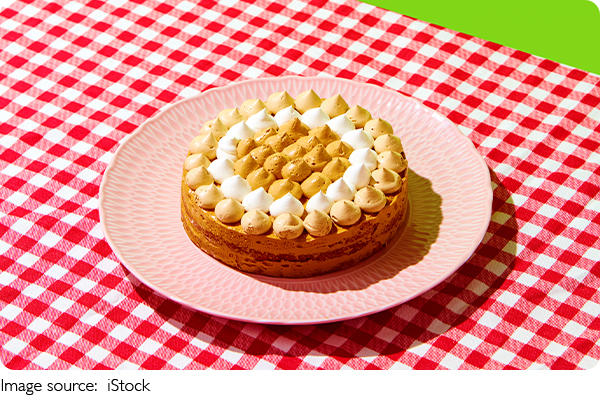
The Mirage of Simplicity
A complex multi-component dessert allows for error compensation. A dry cake layer can be soaked with syrup. A dull mousse can be masked by a shiny glaze. But a simple custard or a plain madeleine exposes every misstep. Slightly overbaked, and the texture turns rubbery. Undermixed batter yields dense spots. The simplicity is not a shortcut; it is a spotlight. Every variable matters: egg freshness, butter temperature, sugar crystal size, even the humidity in the room. Professional bakers often spend months perfecting a single recipe that home cooks might attempt in an afternoon.
Chemical Precision in Few Ingredients
Take the humble macaron. Two primary components: a meringue-based shell and a filling. The shell requires a precise ratio of almond flour, powdered sugar, egg whites, and granulated sugar. Aging the egg whites changes their pH, which affects foam stability. Over whipping introduces too much air; under whipping leads to flat caps. The resting time before baking allows a skin to form, which prevents cracking. None of these steps are optional. Similarly, a crème brûlée relies on the coagulation behavior of egg proteins. The temperature must be held near 175°F (80°C) in the water bath; a few degrees higher leads to syneresis – weeping liquid. Simplicity demands absolute accuracy.
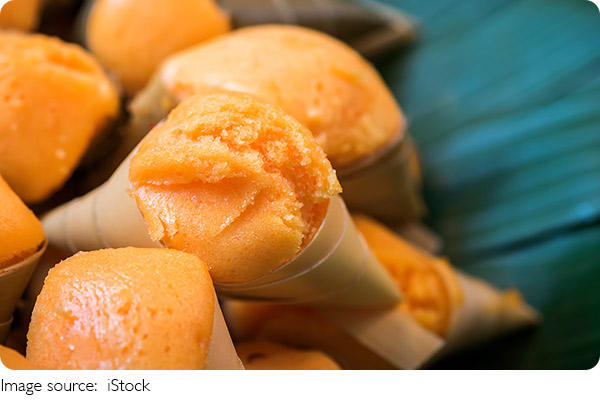
Texture and Temperature Control
Texture is the primary judge of a simple dessert. A perfect lemon tart has a filling that is simultaneously firm and melting, with no graininess from sugar or overcooked eggs. Achieving that requires tempering eggs slowly, using a heavy-bottomed pan, and removing the mixture from heat at exactly the right moment. Even the cooling rate matters: rapid chilling can cause cracking, while slow cooling can encourage bacterial growth in egg-rich mixtures. For frozen desserts like sorbet, the churning speed and freezer temperature determine crystal size. Too large, and it tastes icy; too small, and it lacks body. The margin between excellent and mediocre is razor thin.
Ingredient Quality Over Quantity
With fewer ingredients, their quality becomes paramount. A simple dark chocolate mousse uses only cream, eggs, and chocolate. The cocoa butter content of the chocolate determines stability. A cheaper chocolate with lower cocoa butter will not whip into a stable foam. The cream must have at least 30 percent milk lipid for proper aeration. Even the eggs must be at room temperature to emulsify correctly. Substitutions are dangerous. Using a lower-lipid cream or a different chocolate brand can collapse the whole structure. This is why many professional recipes specify exact brand names or cocoa percentages.
Common Pitfalls and How to Avoid Them
The most frequent mistake is impatience. Rushing the whisking, skipping the gradual sugar addition, or opening the oven door too early all derail delicate structure. Another common error is using cold eggs for meringues; they whip to a smaller volume. For custards, high heat causes curdling. To avoid these, invest in a kitchen scale for gram-level accuracy, an instant-read thermometer, and a timer. Practicing the same recipe repeatedly builds muscle memory. Many pastry chefs advise starting with a recipe you have failed at before – the errors teach more than success.
Conclusion
Mastering simple desserts is not about finding an easier path. It is about developing deep respect for the science behind each ingredient and each technique. The payoff is a bite that feels both effortless and extraordinary. Next time you attempt a seemingly basic recipe, pay close attention to every detail. Adjust one variable at a time. Keep a notebook. And remember that the simplest desserts are often the most eloquent teachers. Happy baking, Lykkers!